Every person is different, and the body’s needs change over time.
Muscle tension, fatigue, stress, disrupted sleep and physical discomfort can manifest differently and have different underlying causes from one person to another. This is why I offer tailored massage in Montpellier, preceded by an energy assessment to adapt each session to your individual situation.
My practice is based on the fundamental principles of Traditional Chinese Medicine (TCM). Before beginning the bodywork, I take the time to understand your expectations, observe existing areas of tension and gather the information needed to determine the priorities for your session.
The aim is to offer a personalised treatment that takes into account:
- your physical and emotional state
- your environment and lifestyle
- your story
- your needs and preferences on the day of your appointment
Why Choose a Tailored Massage?
A personalised massage session involves more than simply selecting a few areas to massage. It is based on an individual understanding of your needs and the adaptation of massage techniques throughout the session.
Someone seeking relief from back tension after spending several hours sitting at a desk will not necessarily have the same needs as an athlete whose muscles are under intense strain, or someone experiencing a period of fatigue and stress.
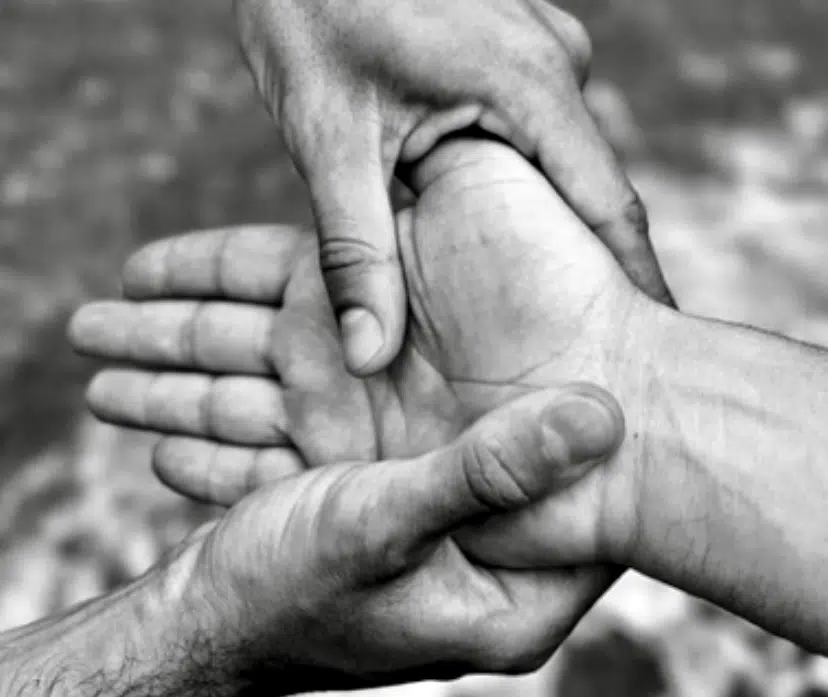
Chinese massage offers a range of bodywork techniques, including manual techniques, targeted pressure, gentle joint mobilisation, stretching and techniques designed to encourage tissue relaxation. The choice of techniques depends on factors such as your sensitivity, the areas concerned and your goals for the session.
A tailored massage can therefore address a variety of needs and expectations:
- Release physical tension built up through daily life
- Encourage physical and mental relaxation
- Give particular attention to specific areas of the body
- Support you through periods of stress and fatigue
- Adapt the bodywork to the needs associated with intense physical activity
- Take time to rest and reconnect with your body's sensations
Personalisation begins before the massage itself, with an energy assessment that helps me better understand your individual situation.

The Energy Assessment: The First Step in Your Tailored Massage Session
The Chinese energy assessment: the first step in your massage in Montpellier.
Every session begins with a discussion and an energy assessment, allowing me to take your overall condition, needs and expectations into account. The massage is then adapted accordingly, providing a tailored session and personalised support.
The Chinese energy assessment is based on four examination methods (sì zhěn, 四诊):
- observation
- audition and olfaction
- palpation
- questioning
Observation (wàng zhěn, 望诊)
Observation of the face
I look at the complexion, its tone and radiance. In Traditional Chinese Medicine, a naturally bright and healthy-looking complexion is associated with vitality, while a dull or lacklustre complexion may suggest persistent fatigue.
Example: a pale, dull complexion in someone who reports feeling exhausted may point towards a pattern described as “Qi and Blood deficiency”, guiding me towards a gentler, more enveloping and invigorating massage.
Observation of the Shen
Shen (神) refers to a person’s overall vitality, reflected in their gaze, facial expression, responsiveness and coherence of speech. In Traditional Chinese Medicine, practitioners observe whether the shen appears present and vibrant or diminished.
Example: a bright gaze, expressive face and fluent responses suggest a strong presence of shen. A dull gaze, slow speech and marked apathy may suggest diminished shen, calling for a gentler session focused on relaxation.
Observation of the eyes
The eyes are examined in terms of their appearance and structure, including the colour of different areas (the whites of the eyes, inner corners and eyelids), the appearance of blood vessels and pupil size.
Example: markedly red inner corners of the eyes and a yellowish tinge to the whites of the eyes are interpreted differently. The former may suggest a pattern of “Heat”, while the latter may suggest a pattern of “Dampness”.
Observation of the tongue
I observe changes in the tongue’s appearance, including the body of the tongue (colour, shape, size and moisture) and its coating (thickness and colour).
Example: a pale, swollen tongue with teeth marks along the edges and a thick white coating is traditionally associated with weakened digestive function and “Dampness”. A red tongue with a yellow, dry coating is more suggestive of “Heat”.
Observation of body appearance and posture
I observe body shape, posture, gait and the quality of movement.
Example: someone with a hunched posture, slow movements and a cautious way of sitting has different needs from someone who appears restless, with quick, jerky movements. The pace and pressure of the massage are adapted accordingly.
Observation of the head and hair
Hair quality is considered a reflection of vitality and Blood in Traditional Chinese Medicine.
Example: dry, fine, brittle hair or significant hair loss during a prolonged period of fatigue may be interpreted in TCM as a possible sign of depleted bodily resources.
Observation of the skin
I observe skin colour, dryness or moisture, as well as any rashes, redness or abscesses.
Example: very dry, flaky skin may suggest a lack of “Fluids”, while redness accompanied by itching may suggest “Heat”.
Listening and Smelling (wén zhěn, 闻诊)
This stage involves gathering information through the sounds and smells produced by the person, including the tone of their voice, breathing, coughing, hiccups or belching, as well as certain body odours.
I listen to the strength of the voice and the coherence of speech, the intensity of breathing, sighs, coughing and hiccups.
Example: a strong voice and rapid speech suggest a different pattern from a weak, quiet voice that fades at the end of a sentence. Frequent sighing is traditionally associated with “Qi stagnation”, often linked to stress.

Questioning (wèn zhěn, 问诊)
Questioning involves gathering information through specific questions about your medical history, allergies, previous conditions, the history and progression of your symptoms, and the circumstances that improve or worsen them.
The aim is to understand the relationships between your imbalances and the factors surrounding them, including physical constitution, heredity, when symptoms first appeared, possible causes, the natural environment and dietary habits.
General questioning
- Age: certain symptoms are more common at particular stages of life. For example, lower back weakness and waking during the night to urinate are more common in older adults, while digestive problems and recurrent colds are more common in young children.
- Occupation: this can influence the development of certain types of discomfort. For example, a fisherman who is constantly exposed to damp conditions may be more prone to heaviness and joint stiffness, while intense manual labour is often associated with “excess” pain, characterised by tight, hard muscles.
- Habits and living environment: For example, a damp home, irregular working hours or eating on the go can all provide useful insight into a person's situation.
- Medical history and current treatments: For example, a previous sprain, surgery or ongoing medication (such as anticoagulants) helps me identify areas that require particular care and determine which precautions to take.
Questioning about sensitivity to cold and heat
This provides insight into the balance between yin and yang.
Example: someone who feels cold easily, with consistently cold hands and feet, and who feels better with warmth, may indicate insufficient yang. Someone who always feels hot, seeks out cool environments and drinks iced water may suggest an excess of Heat.
Questioning about sweating
Questioning about pain
Questioning about diet, thirst and appetite
Questioning about bowel movements and urination
Questioning about sleep
Palpation (qiē zhěn, 切诊)
Pulse palpation (mài zhěn, 脉诊)
Palpation of the extremities
Palpation of the abdomen
Palpation of the meridians
A Summary to Tailor Your Massage
None of these examination methods is used in isolation.
By bringing together observation, listening and smelling, questioning and palpation, I develop an overall understanding of your individual situation. This assessment determines the priorities for the session, the pressure, the pace and the most appropriate massage techniques.
The energy assessment therefore guides the session, while your feedback allows me to adjust the massage throughout your appointment.
This traditional Chinese assessment does not constitute a medical diagnosis and does not replace advice from a healthcare professional.

Tailored Massage in Montpellier
Depending on your needs and the findings of the energy assessment, I may draw on several techniques from the Chinese tradition: Tuina, Chi Nei Tsang and Chinese foot reflexology.
These techniques can be used individually or combined throughout the session, without following a fixed protocol decided in advance.
Tuina: Traditional Chinese Massage
Chi Nei Tsang: visceral massage
Chinese Foot Reflexology
Plantar reflexology consists of applying pressure to the soles of the feet, where Chinese tradition locates zones linked to different parts of the body and to the meridians.
The feet are also a place of observation: temperature, tension and sensitivity are useful information for the assessment.
It can be offered as a complement to Tuina or Chi Nei Tsang, for a gradual and enveloping relaxation.

Your massage therapist in Montpellier: Yoann Gellet
A serious and altruistic massage therapist
Rates for tailored massages in Montpellier
- 1 h 30 — 90 €: energetic assessment + 1 hour of tailored massage
- 2 h 30 — 170 €: energetic assessment + 2 hours of tailored massage
All follow-up sessions, with no time limit between sessions, are offered at:
- 1 h 15 — 80 €: energetic assessment + 1 hour of tailored massage
- 2 h 15 — 150 €: energetic assessment + 2 hours of tailored massage
Studio address
2146 route de Mende, 34090 Montpellier
(Tram 5 – CNRS / Zoo de Lunaret stop – Bois de Montmaur car park)
I also travel to Castelnau-le-Lez, Lattes, Saint-Jean-de-Védas, Juvignac, Grabels, Saint-Clément-de-Rivière, Montferrier-sur-Lez and Le Crès, to offer personalized home massages tailored to each person’s needs.
EXCELLENT Basée sur 34 avis
 Publié sur Google

 siegfried vinelPremier fois de ma vie que je fais un massage. Alors franchement Je recommande Premièrement : prends sont temps pour comprendre s'adapte à la personne en fonction de c'est besoin et ça ce voit que c'est par plaisir. Deuxièmement : massage de 1h30 prévu,vue mon cas particulier douleur chronique (dos lombaire cervicales jambes....)depuis un moment il a dû prendre plus de temps que prévu (2h30 )et fait plus que convenu sans demander un supplément . Et ça ce voit encore que c'est pour aller au bout de sont travail. Merci encore sincèrement. Troisièmement : un suivi comme convenu après 3j avec un programme adapté et des explications claires, et surtout une amélioration très franche sur mes douleurs en une scéance pour ma part. Merci encore je recommande sans hésitationPublié sur Google
 Ka PïPremière expérience hijama et mes douleurs dorsales ont nettement diminuées merci beaucoup à Yoann 🙏Publié sur Google
 MisakoPraticien à l'écoute et attentif à vos besoins, pédagogue et disponible. N'hésitez pas a prendre contact avec lui.Publié sur Google
 Irini NASTOUMassages chinois à Montpellier recommandés! Ce fût un grand moment de détente ! Yoann a su soulager mes maux par sa pratique et son expérience.Publié sur Google
 Thomas Esnoult-MartinelliJ'ai été très satisfait du soin / massage que Yoann m'a procuré. J'avais autant besoin d'une remise à niveau énergétique qu'un travail musculaire profond et toutes les cases ont été cochées 👍🏻 Yoann est très attentif bienveillant et le soin de 2h30 est un vrai voyage ! Bravo et merciPublié sur Google
 Sebastien DSuper expérience pour mon premier massage de médecine traditionnelle chinoise, que je recommande vivement ! Yoann était à l’écoute et a structuré le massage en fonction de mes besoins. Professionnel, et plein d’empathie, cette séance avec Yoann m’a apporté beaucoup de relaxation et de calme. Il m’a aussi donné des conseils en diététique et automassages qui me seront très utiles pour la suite.Publié sur Google
 ANNEUn temps suspendu, voilà ce que je retiens de ce moment ( massage Tui Na). Yoann est à l'écoute, professionnel, compétent, bienveillant. Si vous aussi, vous avez envie/besoin d'un peu de confort et réconfort, n'hésitez pas Yoann sera là pour vous. Merci encore Yoann.Publié sur Google
 nolhan gevaudanBelle découverte du massage chinois à Montpellier. J'ai reçu deux massages énergétiques différents et je recommande leurs bienfaits à ceux qui veulent se relaxer profondément ou soulager les tensions du quotidien. Il m'a aussi posé des ventouses qui m'ont permis de calmer une douleur à l'omoplate. Yoann est attentif et bienveillant et il prends son temps pour vous connaître et adapter au mieux ses prestations. Si vous êtes sportif et recherchez un vrai massage profond n'hésitez pas !Publié sur Google
 Guillemette JozanJe conseille vivement Yoann pour ces séances. A l’écoute, intuitif et bienveillant il m’a permis en une seule séance de débloquer beaucoup blocages ✨🙏 Merci encore mille fois ✨Certifié par: TrustindexTrustindex a vérifié que ces avis ont été publiés sur la fiche d'établissement Google de Massage chinois Montpellier – Tuina & Chi Nei Tsang. En savoir plus
Les massages chinois ne constituent en aucun cas un diagnostic médical. Ils ne se substituent pas à la masso-kinésithérapie ni à un suivi médical réalisé par un médecin traitant, spécialiste ou tout autre professionnel de santé qualifié.
La médecine chinoise est reconnue par l’Organisation mondiale de la santé (OMS) comme l’une des médecines traditionnelles utilisées dans de nombreux systèmes de santé à travers le monde.